How Much Does a Water Softener Cost in Minnesota?
Blog Summary: In Minnesota, a water softener costs $1,000 to $3,500 installed, including the unit and professional labor; a standalone unit runs $500 to $800 if installed without a plumber. For ongoing maintenance, salt-based units (the most common type in Minnesota) require $50 to $150 per year in water softener salt.
In the Brainerd Lakes area, the biggest issue with our local water quality is hardness. With an average hardness of 244 mg/L, it’s considered “very hard.” For context: anything over 180 mg/L earns a “very hard” rating, meaning Brainerd’s water is, essentially, very VERY hard.
That means that the question isn’t “Should I get a water softener?” but instead, “Which water softener should I get?” The right one depends on your home, household needs, and, of course, budget. In this blog, we’ll run through all the major water softener costs and considerations, so you can make an informed decision.
What Does a Water Softener Cost?
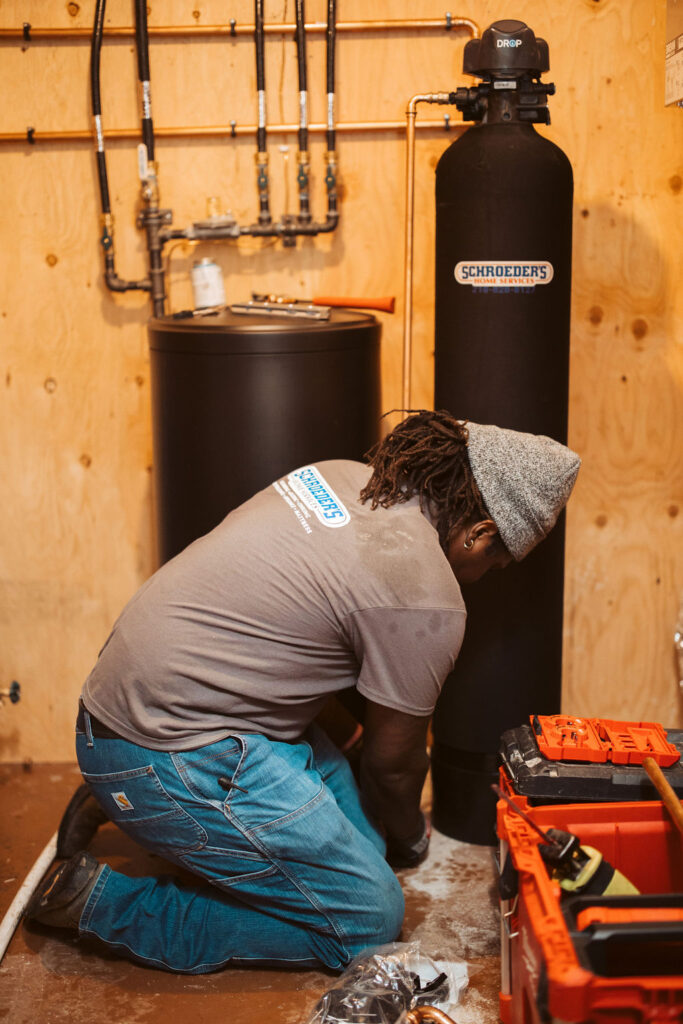
In Minnesota, the cost to install a water softener typically ranges from $1,000 to $3,500, including the cost of the unit. Costs range depending on the type of system, size, and the plumber’s labor fees. In Minnesota, professional water conditioning work must be performed by a licensed plumber or someone with a Department of Labor and Industry (DLI) water conditioning license, which can raise labor costs.
As a homeowner, if you’re replacing an existing water softener, you can buy a unit and install it yourself for about $500 to $800. But DIY installations usually void the warranty and can lead to much bigger, more expensive plumbing problems if not installed correctly.
Water Softener Costs by System Type
System Type
Installed Cost Range
Best For
Salt-based (ion exchange)
$1,200 – $3,500
Most Brainerd homes; highly effective for very hard water
Dual-tank
$1,700 – $5,000
Large households or high water usage
Reverse osmosis
$4,800 – $10,000
Homes wanting to also remove contaminants beyond hardness
Salt-Based (Ion Exchange) Water Softeners
These are the most common water softeners in Minnesota homes, and the best choice for Brainerd residents. They work via ion exchange, swapping calcium and magnesium for sodium to make the water less hard. The downside is that they require salt refills about once a month.
Dual-Tank Systems
Dual-tank systems are great for cabins and high peak-season water demand. They offer a continuous soft water supply, with no interruption during regeneration cycles. Though they come with a higher upfront cost, they’re worth it for larger households.
How to Get the Right Size Water Softener
Beyond water softener type, system capacity is a primary factor determining a water softener’s cost. Larger homes need higher-capacity systems, and so do homes in hard water areas like Brainerd. Undersized systems wear out faster, so it’s a smart decision to opt for a larger capacity, and therefore more expensive, unit that will last longer.
Here’s a simple formula to determine your home’s ideal water softener capacity:
Number of people x 80 gallons per day x water hardness (GPG) x 7 = maximum grain capacity
80 gallons of water usage per day per person is a common rule of thumb, but you can adjust that number if your usage varies from the norm. For Brainerd-area homes, water hardness runs around 14 GPG — well into the “very hard” range. 7 represents the number of days in the regeneration cycle.
Example: 4 people x 80 gallons x 14 x 7 = 31,360. This family would need a water softener with a maximum grain capacity of about 32,000.
This chart outlines roughly how much a water softener costs — just the unit, not including installation — for your household’s size and capacity needs:
Household Size
Recommended Capacity
Cabin / 1-2 people
24,000 grain
Small home / 3-4 people
32,000 – 42,000 grain
Larger home / 5-7 people
48,000 – 64,000 grain
A note for cabin owners: seasonal or vacation properties typically have lower daily water usage than a year-round home, so a 24,000-grain system is usually sufficient even with Brainerd’s hard water. The bigger consideration for cabins is often iron content in well water, which requires a softener specifically rated for iron removal — not all systems are. Ask your installer about this before purchasing.
What Affects Water Softener Installation Cost?
In Minnesota, labor and permits will affect professional installation fees. State law requires that the plumber be licensed, and if it’s a new system, not a replacement, a permit is necessary, too, at about $150. Older cabins or homes may need pipe modifications, which adds to labor costs. And if the installation location is difficult to access, the added time and complexity will show on your bill. All told, you can expect a plumber to take 2 to 4 hours to install a water softener if there’s no added complexity or modifications needed.
Ongoing Costs to Know Before You Buy
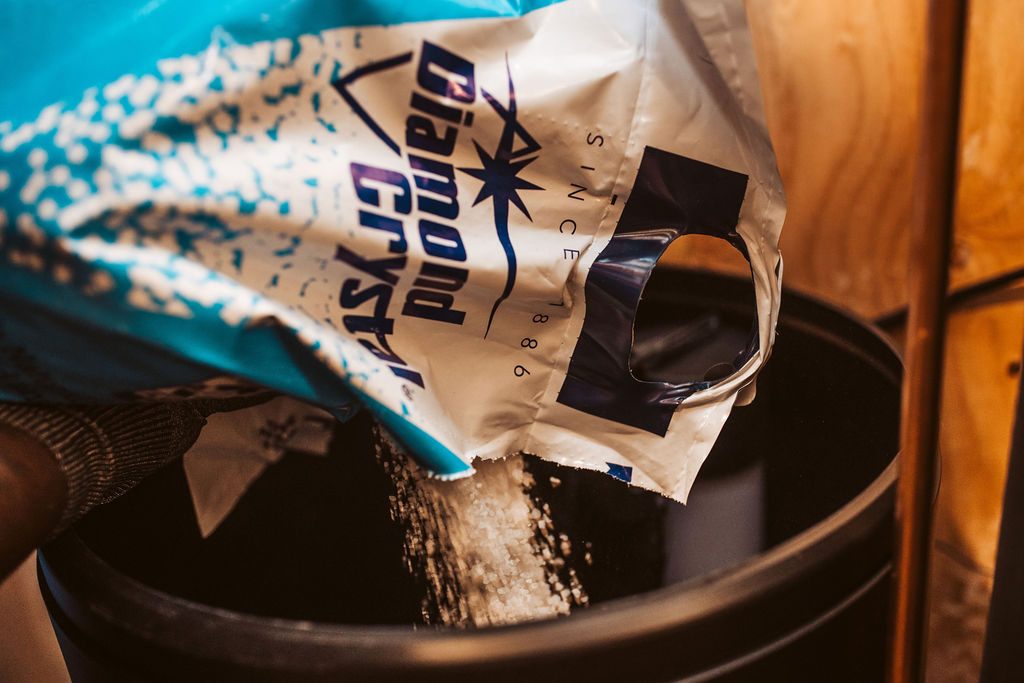
If you purchase a salt-based water softener, you’ll spend about $50 to $150 per year on salt refills, depending on your system size and the salt you purchase.
Otherwise, water softeners are fairly low-maintenance systems, and you can perform simple annual maintenance like resin checks, tank cleaning, and control valve testing yourself.
Is a Water Softener Worth It in Minnesota?
Yes, a water softener is absolutely worth it, especially if you live in an area with a “hard” or “very hard” water quality rating. Especially in Brainerd, a water softener is one of the best investments you can make in your home.
Hard water accelerates scale buildup in your plumbing system and appliances like water heaters, dishwashers, and washing machines, reducing their lifespan and leading to more frequent repairs. Hard water buildup is a common reason appliances fail early in Brainerd. It also reduces the effectiveness of soap, detergent, and shampoo, so you waste money by using more product and getting worse results.
Get a Free Water Test from Schroeder's
A water test tells you your exact hardness level and any other issues, such as iron, bacteria, and copper. Schroeder’s has been testing and treating water in the Brainerd, MN area for decades, and we offer a complimentary water site survey to uncover any issues. After, we’ll thoroughly discuss the results with you and recommend the right water treatment solution for your home or cabin. No upselling, just honest answers.
Frequently Asked Questions
In Minnesota, you can expect to spend $1,000 to $4,500 on a water softener unit and professional installation.
Yes. Salt-based ion exchange systems are at the lower end of the range ($1,200 to $4,500 installed), and they’re the best choice for most homes. Salt-free systems cost more upfront, and they’re less effective for homes with exceptionally hard water. Cheapest isn’t always best for Brainerd’s hard water, though — right-sizing matters more in the long run than going cheap.
With proper maintenance and sizing for your home and water hardness, a water softener can last 15 to 20 years.
Yes, especially if the cabin relies on well water, which is common in the Brainerd Lakes area. Cabin water systems are especially vulnerable to iron and hardness buildup because they’re used seasonally.