Rusty Water: What It Means and How to Fix It
What Does Rusty Water Mean?
If the water coming out of your tap looks orange, reddish-brown, or just faintly off-colored, there’s a good chance it contains iron. Iron either dissolves into your water supply before it reaches the tap, or it’s picked up along the way from aging pipes or a water heater tank. Either way, the rust-colored tint has a specific cause and usually, a straightforward fix. In this blog, we’ll cover what’s behind it, whether it’s actually a problem, and how to get your water back to clear.
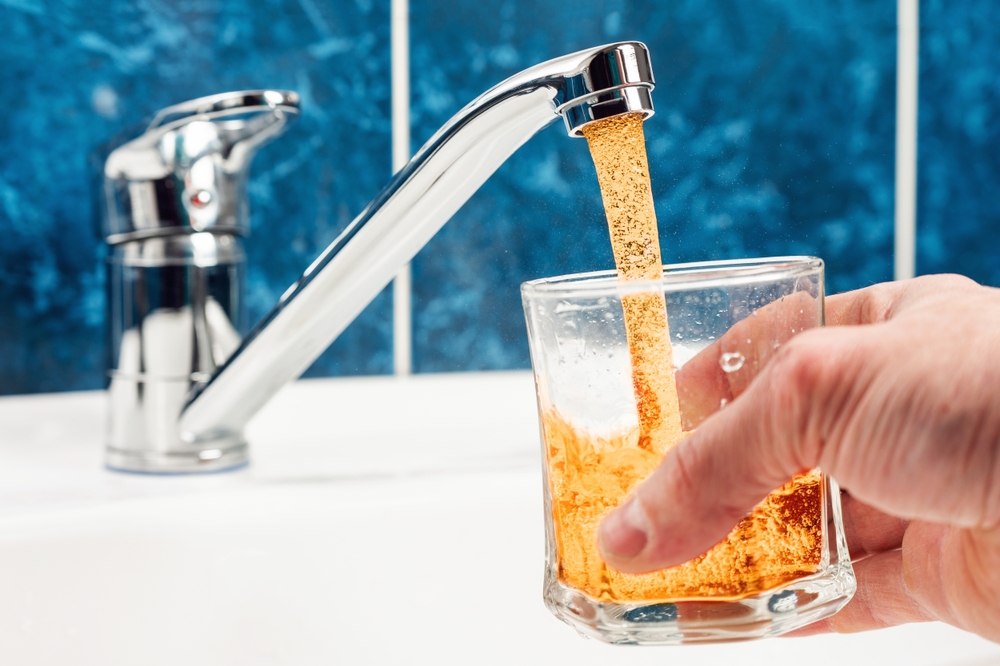
What Causes Rusty Water in Your Home or Cabin?
The causes of rusty water are almost always the same: iron in your water source, corrosion inside your pipes, sediment buildup in your water heater, or, in rare circumstances, disturbance from nearby municipal line work. Which one you’re dealing with usually depends on where you get your water and how old your plumbing is.
Rust in Well Water
If you’re on a private well (and many homes and cabins in the Brainerd Lakes area are), it’s not uncommon for iron to infiltrate your well water. Groundwater picks up dissolved iron (otherwise known as ferrous iron) as it moves through soil and rock, and once that water hits air at your faucet, the iron oxidizes and turns the reddish-brown color you see. This is a water-source issue, not a pipe issue, and the way you solve it differs.
Corroded or Aging Pipes
Older galvanized or iron pipes are more common in older lake homes and cabins that haven’t been re-plumbed, and they can rust from the inside out (also called ferric iron). Unlike well-water iron, this shows up even on municipal water. It usually gets worse after periods when the water has been sitting still, like after a weekend away from the cabin.
Water Heater Sediment Buildup
If the rust color only shows up in your hot water, the culprit is usually your hot water heater tank, not your main water line. Sediment and rust particles collect at the bottom of the tank over time. This is especially true in cabins with seasonal use where the water sits unheated and unused for weeks at a time.
Municipal Water Main Work or Breaks
For homes on city water, a sudden burst of rusty water is sometimes just sediment kicked up during nearby water main repairs or replacements. This is usually temporary and clears up on its own in a few days.
Is Rusty Water Bad for You? What Happens If You Drink It
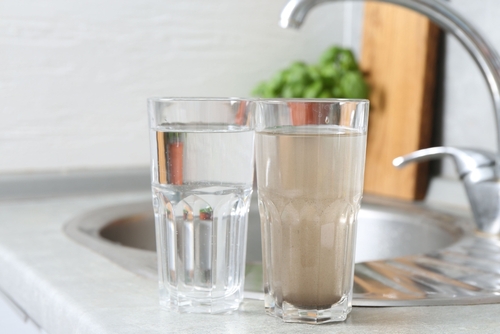
Iron itself is typically not hazardous at the levels found in most residential water, but that doesn’t mean it’s pleasant to drink. With its distinct color and metallic taste, many people find rusty water off-putting. And drinking large amounts of it can lead to iron overload, causing health issues like exhaustion, stomach pain, and joint pain. Plus, iron can stain laundry and fixtures and cause dryness in skin and hair, just like hard water.
The EPA classifies iron as a “nuisance chemical,” meaning that even if it’s harmless, its effects make people less likely to trust the water and therefore drink it. But at high concentrations, or if rust is masking another contamination issue, it can become hazardous. This is why testing your water matters — when in doubt, get it tested to determine the cause of the issue and how to solve it.
Can You Get Tetanus From Rusty Water?
No, rust itself doesn’t cause tetanus. It’s a common misconception, but in reality, tetanus comes from Clostridium tetani, a bacterium found in soil and dust. Rusty objects and tetanus-causing bacteria tend to turn up in the same places, like dirt, old fencing, and forgotten tools left outside. Old items left outdoors long enough to rust will also collect bacteria like Clostridium tetani, but the link between rust and the bacteria is coincidental, not causal.
The real risk with a rusty nail isn’t the rust, it’s the puncture wound. When you step on a rusty nail, the deep puncture seals off oxygen, creating a low-oxygen environment that’s ideal for growing bacteria. Drinking or touching rusty water doesn’t create that environment, so it doesn’t carry that risk. If you do have an open wound from something rusty, that’s a question for a doctor, not a water quality issue.
Can You Pour Rusty Water Down the Drain?
Yes, rusty water is safe to be poured down the drain. Iron doesn’t damage your pipes or septic system, so there’s no special handling needed. The one thing worth watching: If you’re seeing rust-colored water regularly, pouring it out doesn’t solve anything; it just gets rid of the symptom for that one glass. The underlying cause is still there and will keep showing up until it’s addressed.
How to Get Rid of Rusty Water
The best water filter for rusty water depends on the type of rust infiltration you’re dealing with. Here’s how to match the problem to the fix.
Whole-Home Iron Filters
A whole-home iron filter is the best solution for the dissolved iron commonly found in rusty well water. These systems treat water at the point where it enters your home, so every tap, shower, and appliance benefits, not just your drinking water. It’s a great permanent solution instead of a workaround. Schroeder’s whole-home filtration systems are built for exactly this kind of well-water iron issue.
Water Softeners for Rusty Water
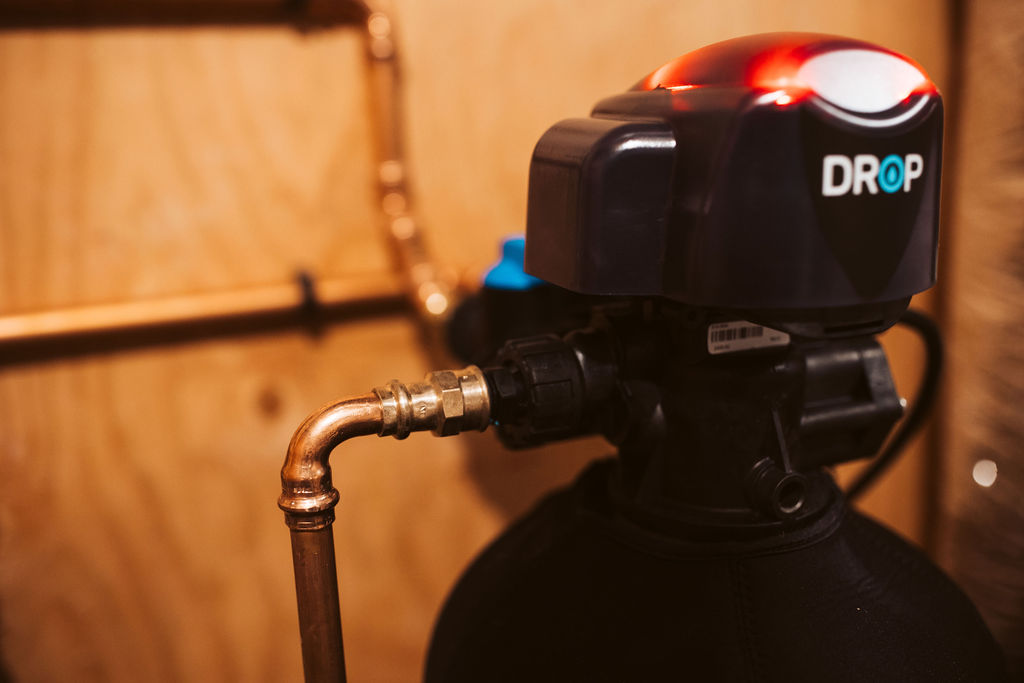
Water softeners are good for more than just softening your water. The same ion-exchange process that eliminates calcium and magnesium from hard water also removes iron. Softeners aren’t built for high iron concentrations, though, so if your water test comes back with elevated levels, an iron-specific filter is usually the better long-term fix.
Sediment Filters for Rust Flecks/Particles
If you see actual orange or brown flecks in your water, you’re usually dealing with sediment from corroding pipes instead of just dissolved iron. A sediment filter catches those particles before they reach your fixtures. It won’t do anything for dissolved iron that hasn’t turned into visible particles yet, so knowing which one you’re looking at matters before you buy anything.
Water Heater Flushing
If your rust only shows up in hot water, the fix is usually simpler than the others. Flushing your water heater clears the sediment buildup that causes it, and it’s a task most homeowners can do themselves. If you’d rather not DIY it, though, a Schroeder’s plumber can take care of it for you through our Maintenance Membership plans. They’re a great way to keep your home’s systems running well while outsourcing the hard work and time spent to us.
Does Bleach Remove Rust Stains?
No, you should never put bleach on rust stains. Bleach has the opposite effect from what you might expect — it can actually darken the stain and set it permanently into the fabric or surface. Instead, use products specifically designed for iron stains, which you can find at your local hardware store.
DIY Fix or Call a Pro?
Flushing your water heater is an easy DIY task that might solve the problem by clearing sediment buildup. But if you experience persistent staining, your property is on well water with unknown iron levels, or rust keeps coming back after a flush, a professional water test is your best option. It helps determine the problem and the best solution.
Rusty Water: What Brainerd Lakes Owners Should Know
Many properties in the Brainerd Lakes area rely on well water. This often means higher-than-average iron levels, especially if your well sits unused for long stretches. If you’re dealing with the cloudy water, metallic taste, or sulfuric smell that come with rusty water, it’s time to schedule a water test.
Schroeder’s has helped Brainerd homeowners and cabin owners achieve safe, healthy water quality for decades — contact us to schedule your free water test!
Frequently Asked Questions
Whole-home iron filters treat water at the point where it enters your home, so they’re the best solution for permanently eliminating rusty water at the source. If your water has orange or brown flecks, add a sediment filter, too.
Yes, but not just any filter will do. Your standard countertop pitcher or faucet filter isn’t built for heavy rust, and it’ll clog fast. The real fix is a whole-home iron filter installed where water enters your home, which treats the problem at the source. If you want an extra layer of protection for drinking water specifically, a reverse osmosis system at the kitchen tap pairs well with it. RO systems are a finishing touch, though, not a substitution for whole-home treatment.